AI agents and automation, SEO and GEO, ROI-focused websites, and custom software built around your business.
Manuel Technologies
HomegrowLink building and digital PR
( GROW )

Link building based on something worth citing

A link is most valuable when it is earned because a publisher or practitioner wants readers to see the source. We focus on the research, tools, data, and expertise that make a relevant mention reasonable, rather than volume for its own sake.

For organisations with genuine expertise or data that need stronger authority in a competitive search category.

Related reading: our study of 56 UK accountancy websites, covering AI crawler access, structured data and response times.

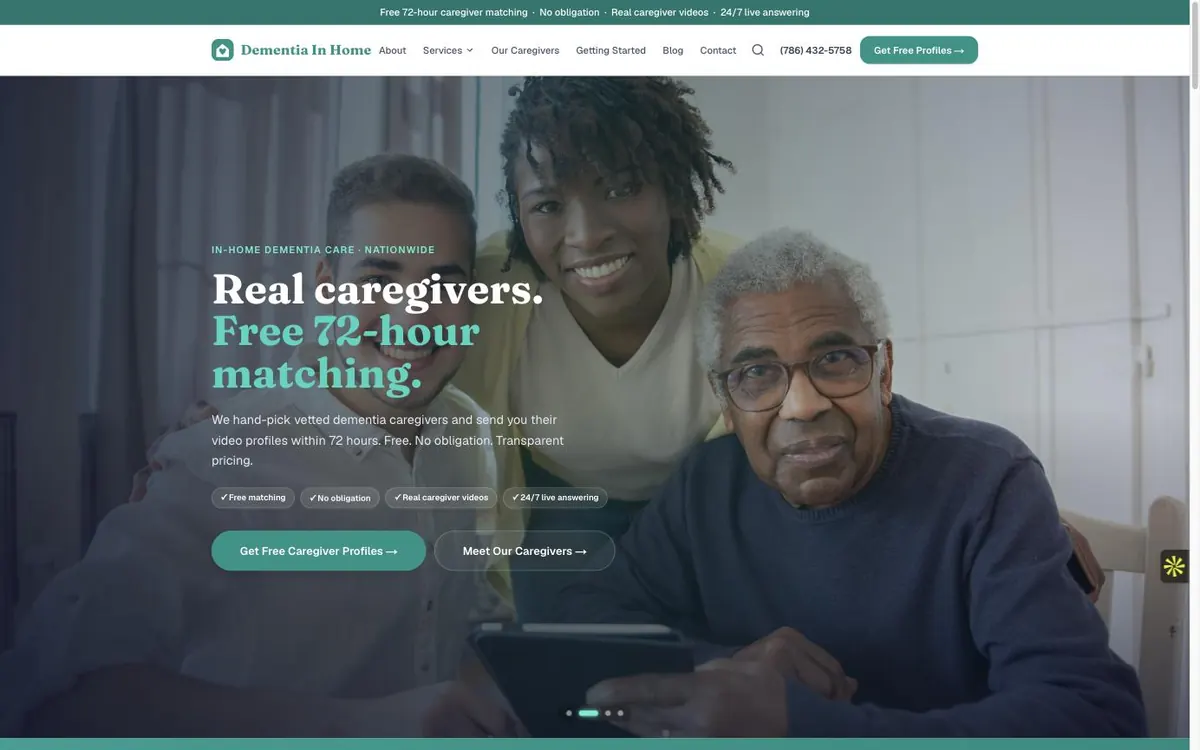
Dementia In Home programmatic city pages, built by Manuel Technologies
Delivered

Dementia In Home

1,067 pages live
( Who this is for, and why )

For organisations with genuine expertise or data that need stronger authority in a competitive search category.

  1. 01

    In a competitive category, two pages of equal quality are separated by authority, and authority comes from being cited by sites that matter.

  2. 02

    Links earned by publishing something worth citing, such as original data or a genuinely useful tool, keep working. Links bought from directories are ignored or penalised.

  3. 03

    Answer engines cite sources, and a source that other sources cite is the one that gets chosen.

( How the work runs )
01

Assess the current link profile, competitors, audience, claim strength, and topics where the business can contribute something original.

02

Create or refine an asset with a clear source, method, expert point of view, or usable dataset.

03

Build targeted outreach around relevance and timing, then record outcomes and protect the brand from poor quality placements.

( What you get )
  • Authority and competitor link review
  • Digital PR angle and asset planning
  • Targeted outreach and relationship tracking
  • Quality review and link profile monitoring
( How we work )

Clear work. Properly shipped.

A good process makes the work easier to understand, easier to measure, and easier to improve.

  1. 01

    Understand the work

    We start with the goal, audience, constraints, existing stack, and the result that would make the project worthwhile.

  2. 02

    Choose the right first move

    We turn the brief into a focused plan, with clear priorities, technical decisions, responsibilities, and measures of progress.

  3. 03

    Build and test properly

    We design, implement, and test the work against real devices, real data, accessibility requirements, and the edge cases that matter.

  4. 04

    Launch and improve

    We release carefully, watch the evidence, and use what we learn to improve performance, visibility, and the next useful iteration.

( Frequently asked questions )

Why does a business need link building?

Because in a competitive category, pages of equal quality are separated by authority, and authority is earned by being cited. The useful version is publishing something worth linking to: original data, a tool, a study. The useless version is buying directory links, which are ignored or penalised. Both are called link building; only one works.

What makes a good backlink?

Relevance, editorial context, a real audience, a credible publisher, and a natural reason to reference the page matter more than a simple authority metric.

Do you buy backlinks?

The focus is earned coverage and relevant editorial links. Paid placements must be transparent and handled within search engine guidelines, with no promise that payment creates ranking value.

How long does link building take?

Research and asset work can begin quickly, but editorial coverage depends on the strength of the idea, publisher cycles, and relationships. It should be measured as a sustained authority programme rather than a one week tactic.

Can digital PR support AI search visibility?

Third party references can strengthen the broader evidence around a brand and its expertise. They work best alongside clear first party pages that explain the entity, claims, and supporting work.

Have a specific brief, dataset, or existing system in mind?