AI agents and automation, SEO and GEO, ROI-focused websites, and custom software built around your business.
Manuel Technologies
HomebuildSystems and integrations
( BUILD )

Systems and integrations that keep data moving correctly

Disconnected systems create duplicate work and unreliable reporting. We connect the tools you already use with explicit data ownership, monitored transfers, and failure handling that people can understand.

For teams moving data between systems, replacing spreadsheets, or inheriting integrations nobody wants to touch.

Prices are published. Four tiers from GHS 2,000, with what each includes, and a comparison against market rates.

Related reading: our study of 56 UK accountancy websites, covering AI crawler access, structured data and response times.

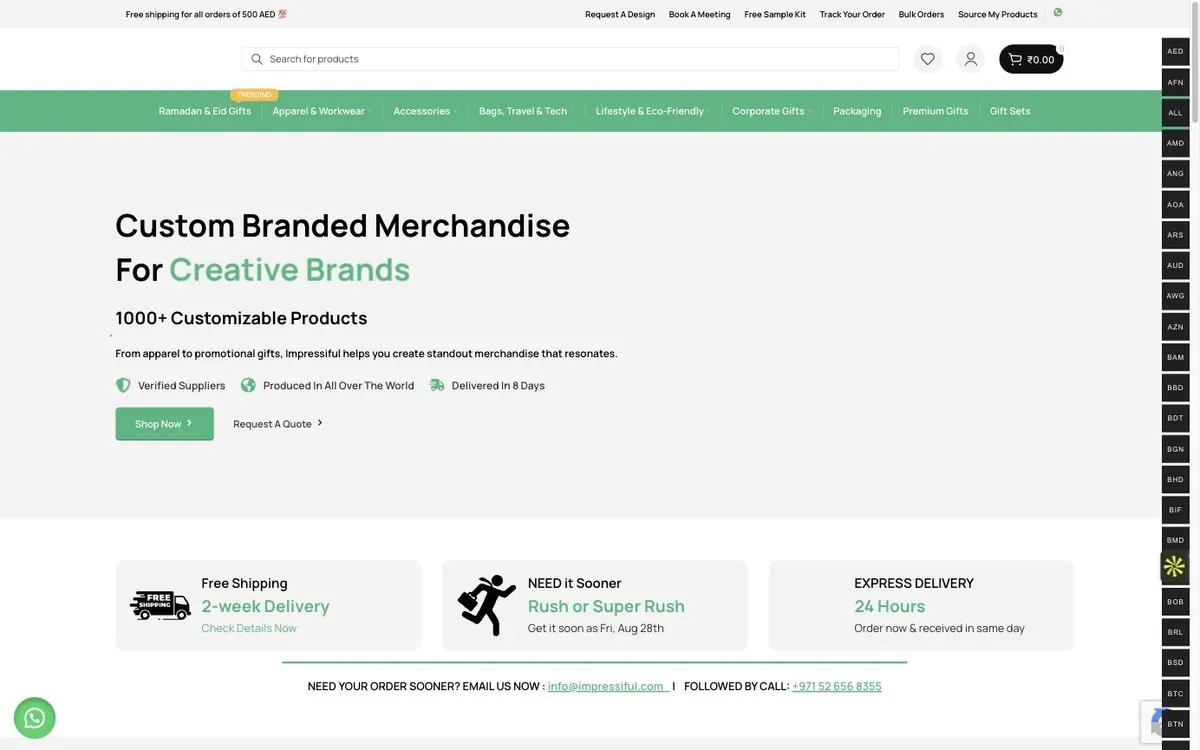
Impressiful online store, built by Manuel Technologies
Delivered

Impressiful

1,000+ products
( Who this is for, and why )

For teams moving data between systems, replacing spreadsheets, or inheriting integrations nobody wants to touch.

  1. 01

    Data typed twice is data that disagrees. When the CRM, the accounts and the order system each hold their own version of a customer, somebody reconciles them by hand every month, and the numbers still differ.

  2. 02

    Handoffs between systems are where work stalls. An order that has to be copied into the delivery tool waits until someone gets to it.

  3. 03

    Integrations nobody understands are a risk. The one built by a contractor who left, that stops working when a provider changes an API, takes the business down with it.

( How the work runs )
01

Document the systems, records, triggers, identifiers, authentication, and direction of travel before writing an integration.

02

Choose the least fragile connection available, with validation, idempotency, retries, rate limit handling, and clear ownership.

03

Make failures visible. Logs, alerts, replayable jobs, and reconciliation reports matter as much as the happy path.

( What you get )
  • Integration map and data ownership review
  • API, webhook, and batch connections
  • Validation, retries, and reconciliation
  • Operational documentation and monitoring
( How we work )

Clear work. Properly shipped.

A good process makes the work easier to understand, easier to measure, and easier to improve.

  1. 01

    Understand the work

    We start with the goal, audience, constraints, existing stack, and the result that would make the project worthwhile.

  2. 02

    Choose the right first move

    We turn the brief into a focused plan, with clear priorities, technical decisions, responsibilities, and measures of progress.

  3. 03

    Build and test properly

    We design, implement, and test the work against real devices, real data, accessibility requirements, and the edge cases that matter.

  4. 04

    Launch and improve

    We release carefully, watch the evidence, and use what we learn to improve performance, visibility, and the next useful iteration.

( Frequently asked questions )

Why does a business need systems integration?

Because every place data is typed twice is a place it disagrees, every handoff between tools is a delay, and every integration nobody understands is a failure waiting for an API change. Connecting the systems you already run removes the reconciliation, the waiting and the risk. It is the least visible work a business can buy and often the highest return.

Can you integrate older or undocumented systems?

Sometimes. The first step is identifying supported exports, database access, existing middleware, authentication, and operational constraints. A controlled adapter is preferable to an undocumented dependency where possible.

How do you prevent duplicate records?

Integrations need stable identifiers, idempotent operations, field mapping rules, and reconciliation. The correct method depends on which system owns each record and how changes are represented.

What if an external API goes down?

A production integration should fail visibly and recover safely. Queues, bounded retries, backoff, dead letter handling, and an operator view can prevent a temporary outage becoming silent data loss.

Will we be locked into one integration provider?

The design should keep business rules and data contracts separate from provider specific transport where practical. That makes a future provider change a controlled migration rather than a full rewrite.

Have a specific brief, dataset, or existing system in mind?