AI agents and automation, SEO and GEO, ROI-focused websites, and custom software built around your business.
Manuel Technologies
HomebuildCustom software
( BUILD )

Custom software for work your tools cannot handle

When a process matters and the existing tools keep forcing awkward workarounds, custom software can make the operation clearer and more reliable. We design and build focused systems around the real workflow, data, and permissions.

For teams with repeated manual work, disconnected tools, or customer experiences that cannot be delivered by a standard product.

Prices are published. Four tiers from GHS 2,000, with what each includes, and a comparison against market rates.

Related reading: our study of 56 UK accountancy websites, covering AI crawler access, structured data and response times.

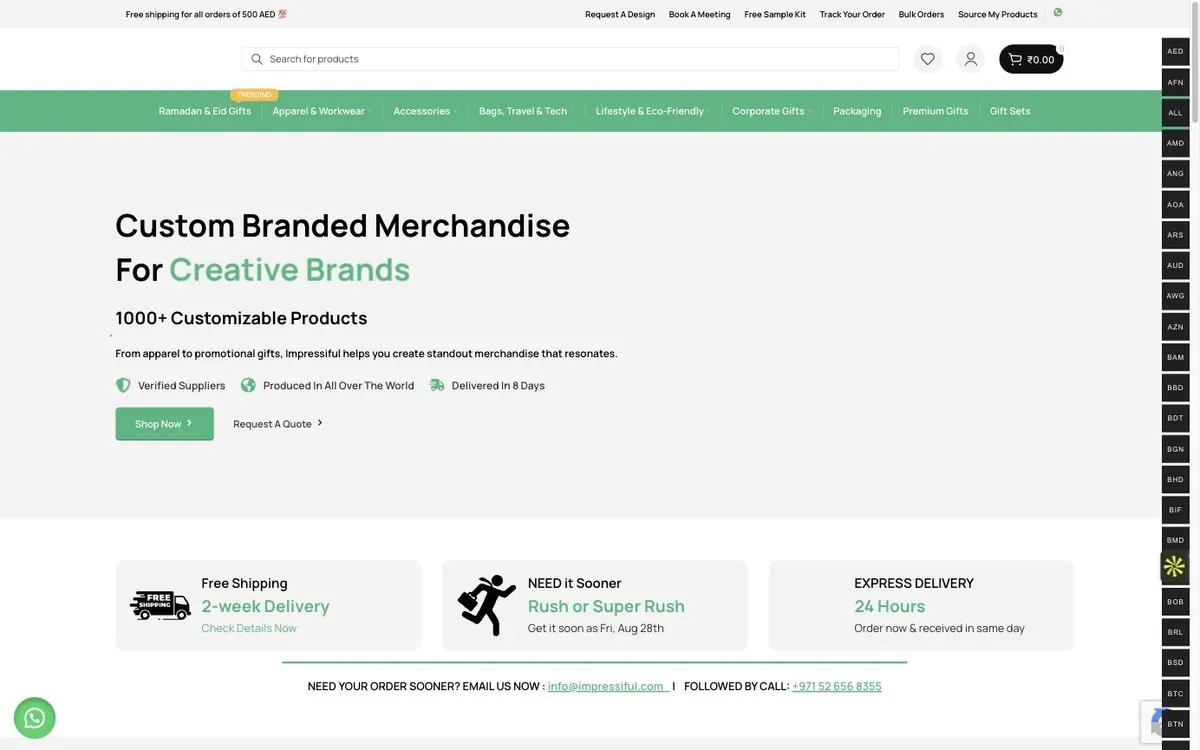
Impressiful online store, built by Manuel Technologies
Delivered

Impressiful

1,000+ products
( Who this is for, and why )

For teams with repeated manual work, disconnected tools, or customer experiences that cannot be delivered by a standard product.

  1. 01

    The work your team does by hand has a cost every week, and it grows with the business. Software that removes it pays for itself on a schedule you can calculate.

  2. 02

    Off the shelf products do 80% of the job and the other 20% is where your business is different. That 20% is what customers pay you for, and it is what a standard product cannot do.

  3. 03

    Spreadsheets fail silently. A process that lives in one person's workbook breaks the day they are away, and nobody knows until a customer notices.

( How the work runs )
01

Map the current process, including exceptions, ownership, data sources, and the decisions people make manually.

02

Define a small first release with explicit roles, validation, auditability, and failure handling.

03

Build the foundations for change: tested business rules, documented interfaces, useful logs, and deployment controls.

( What you get )
  • Technical discovery and workflow mapping
  • Role based web applications and portals
  • Data models, validation, and integrations
  • Testing, deployment documentation, and handover
( How we work )

Clear work. Properly shipped.

A good process makes the work easier to understand, easier to measure, and easier to improve.

  1. 01

    Understand the work

    We start with the goal, audience, constraints, existing stack, and the result that would make the project worthwhile.

  2. 02

    Choose the right first move

    We turn the brief into a focused plan, with clear priorities, technical decisions, responsibilities, and measures of progress.

  3. 03

    Build and test properly

    We design, implement, and test the work against real devices, real data, accessibility requirements, and the edge cases that matter.

  4. 04

    Launch and improve

    We release carefully, watch the evidence, and use what we learn to improve performance, visibility, and the next useful iteration.

( Frequently asked questions )

Why would a business need custom software?

When repeated manual work has a weekly cost, when a standard product does most of the job but not the part that makes the business different, or when a process lives in a spreadsheet that fails the day its owner is away. Custom software is the wrong answer when a mature product already does 90% of the job. It is the right answer when the remaining part is what customers pay you for.

When is custom software worth building?

It is worth considering when a repeated process affects revenue, risk, service quality, or staff time and no existing tool fits without expensive workarounds or duplicate data entry.

How do you keep a custom application secure?

Security starts with least privilege, controlled access, validated input, protected secrets, sensible data retention, dependency updates, logging, and a clear boundary around external services.

Can custom software connect to our existing tools?

Usually. The first step is checking the available APIs, webhooks, exports, authentication methods, rate limits, and data ownership. Integrations are designed around the source of truth rather than copied blindly.

Do you build the whole system at once?

No. A smaller first release makes assumptions visible earlier. It should cover one valuable workflow end to end, then expand when usage and feedback justify the next part.

Have a specific brief, dataset, or existing system in mind?